This post contains affiliate links. If you purchase through my links, I may earn a small commission at no extra cost to you. Thank you for supporting Gear For Trail!
I need to confess something that makes most people look at me like I have a problem.
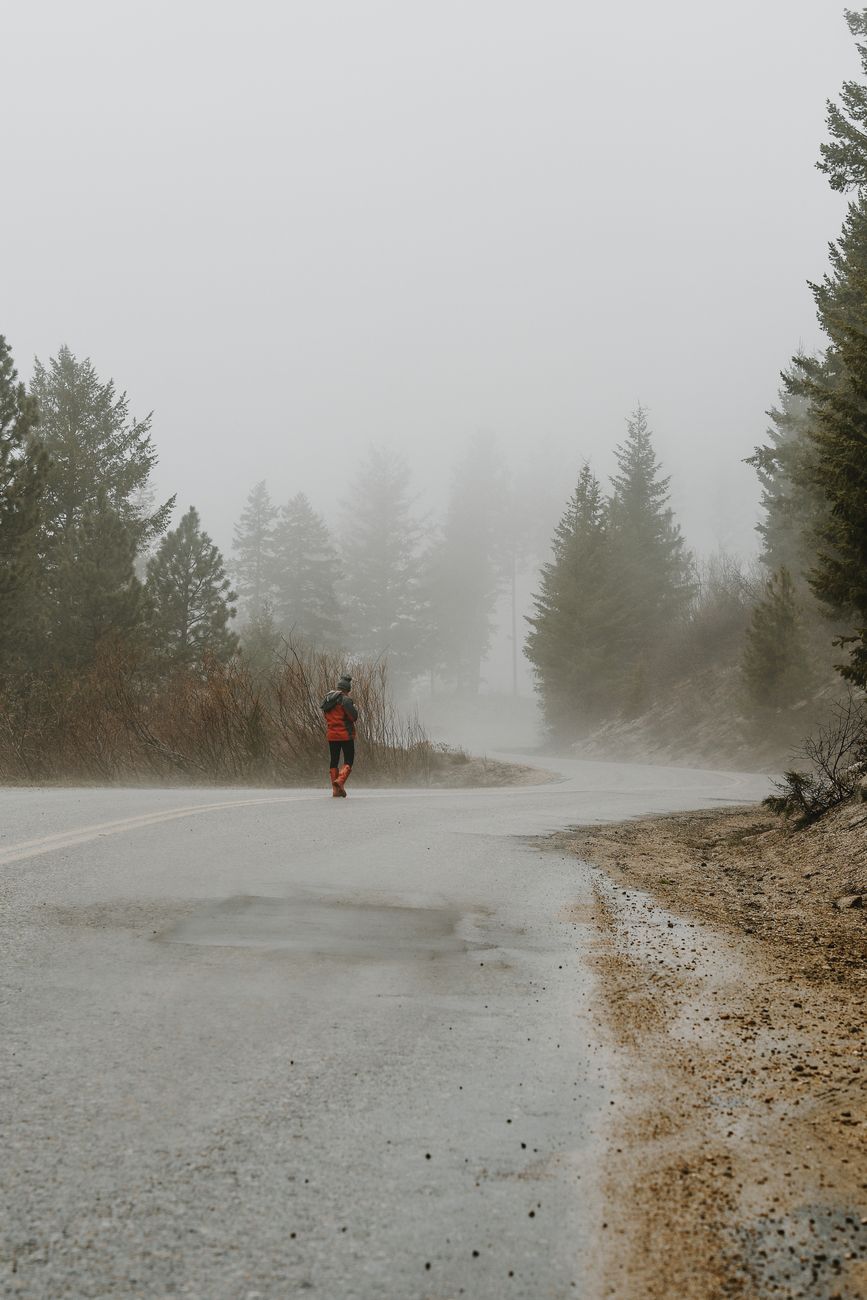
My favourite runs are the ones where the weather is genuinely awful.
I mean i love trail runs with proper rain hammering down, or snow coming sideways across an open hillside, or wind strong enough that you have to lean into it just to move forward. Those are the runs I remember. The ones where you come home absolutely soaked and slightly ridiculous-looking, strip off your kit in the hallway, and feel more alive than you have all week.
I didn’t always feel this way. When I started running trails in my thirties, bad weather was something to avoid. I’d check the forecast obsessively, reschedule if it looked grim, and generally treat rain as a reason not to bother. It took a few accidental soakings to realise something: running in bad weather, once you have the right gear, is genuinely better than running in good weather. The trails are emptier. The effort feels more meaningful. And there’s something about moving through the elements rather than hiding from them that resets something in your brain that a sunny jog just doesn’t touch.
Here’s what I’ve learned about doing it properly.
The mindset shift comes first
The main barrier to running in bad weather is not necessarily physical, but I think it’s actually that moment standing at the front door, looking at the rain, and finding reasons to go back inside. The kettle is right there. The sofa exists. Netflix has a new series about something.
The secret is to not give yourself time to think about it. Kit ready the night before, alarm set, out the door before your brain wakes up enough to object. Within ten minutes of running in the rain, the internal monologue about how miserable this is gets replaced by something quieter and better. Every time.
The other thing worth knowing: you’re going to get wet. Once you accept that and stop trying to stay dry, bad-weather running becomes a lot more enjoyable. You’re not fighting the weather, you’re moving through it. Different thing entirely.
Layering for cold and wet conditions
This is where most beginners go wrong. They either overdress and overheat, or underdress and freeze. The answer is layers, and specifically the right kind of layers.
Base layer: the thing closest to your skin
This is the most important layer and the most frequently ignored. Cotton is absolutely out in cold or wet conditions. It absorbs moisture, stops insulating when wet, and will make you cold and miserable within twenty minutes. What you want is merino wool or a synthetic moisture-wicking fabric that pulls sweat away from your skin and keeps you warm even when damp.
A good merino base layer feels surprisingly warm for how thin it is, dries quickly, and doesn’t smell even after long efforts. Worth the investment. I will recommend the one I use for many years now and find it very good – Smartwool Classic Thermal Merino Base
Mid layer: warmth without bulk
On colder runs, a lightweight fleece or running-specific insulated jacket goes over the base layer. The key word is lightweight: you heat up quickly when running, and a bulky mid layer will leave you overheating on the uphills and drenched in sweat, which defeats the purpose.
A thin running fleece or a packable insulated gilet works well. If it gets too warm, it needs to compress small enough to stuff into a vest pocket. There are many good brands out there, but I like Brooks Dash 1/4 Zip 3.0
Outer layer: your shield against the elements
This is where most of the money should go. A good waterproof running jacket is one of the best investments you’ll make in outdoor gear, because it’s the difference between a run that’s exhilarating and one that’s genuinely miserable.
This is the jacket I reach for when the forecast says “light rain and wind” and I still want to feel like I’m actually running rather than jogging around in a bin bag. It’s genuinely lightweight, packs into its own pocket, and the breathability is better than anything else I’ve tried at this price. It won’t save you in a proper downpour, but for the kind of wet, windy mornings that make up most of bad-weather running, it does exactly what you need it to do. Pretty much every independent gear site has it on their recommended list, which tells you something.
If you need something that actually keeps rain out rather than just politely discouraging it, this is where I’d point you. The PreCip Eco is a bestseller on Amazon for a reason, and the fact that it’s bought over 2,000 times a month suggests it’s not just hype. It has pit zips for ventilation, which is rare at this price and makes a real difference when you’re working hard on a climb. Slightly heavier than the Brooks, but noticeably more waterproof. Worth the extra ten dollars if you run in serious rain rather than just drizzle.
Running pants: the most overlooked piece of bad-weather kit
Most runners focus entirely on the top half and forget that wet, cold legs are just as miserable as a wet, cold torso. If the temperature drops or the rain is serious, a lightweight waterproof over-pant makes a real difference.
The honest truth is that fully waterproof running pants are a compromise. They keep rain out but trap heat and sweat on high-effort sections. The solution is simple: ankle zips that let you dump heat on climbs, and a fit loose enough to layer over shorts or tights underneath. Get them on and off without removing your shoes and you’ve found a good pair.
The trouser version of the PreCip Eco jacket, and just as solid. Lightweight, packable, fully seam-sealed, and made from 100% recycled nylon. They’re not the most breathable pants in wet conditions but for the price they’re hard to argue with. Ankle zips make getting them on and off straightforward, which matters more than it sounds when you’re standing in the rain on a muddy trail.
Waterproof trail shoes: worth it or not?
Honest answer: it depends.
Waterproof trail shoes keep your feet dry in light rain and wet grass, but once water gets in from above the ankle, which happens fast in proper rain, they take much longer to dry than non-waterproof versions. In cold conditions or early in a run, waterproof is worth it. On long runs in heavy rain, you’ll probably end up with wet feet either way.
My approach: waterproof shoes for shorter runs in cold or wet conditions, non-waterproof for longer efforts where the shoes will get soaked regardless. The Gore-Tex versions of most popular trail shoes are widely available and add maybe 200 grams to the weight.
The Moab 3 has been the world’s best-selling hiking shoe for years, and the Gore-Tex version is the one to get if you want your feet genuinely dry in wet conditions. The Gore-Tex membrane keeps water out while still allowing some breathability, which is rare at this price. Comfortable straight out of the box, solid grip on most surfaces, and built to last. Not a trail running shoe as such, but if you’re doing slower-paced trail running or hiking in wet conditions, this is a safe bet.
Gloves and a hat: more important than most people think
Your hands and head lose heat fast when you’re wet and moving. A pair of thin running gloves keeps you comfortable in cold rain without overheating your hands, and a running cap with a brim keeps rain out of your eyes on descents where you need to see clearly.
I’ve been through a lot of running gloves over the years. The ones that balance warmth, grip, and touchscreen compatibility best without costing a fortune are usually thin merino or synthetic options from brands like Buff or Montane.
TrailHeads Men’s Touchscreen Running Gloves
Consistently appear in Amazon bestseller lists for running gloves for good reason. Lightweight, moisture-wicking, touchscreen-compatible on thumb and forefinger, and reflective details for low-light running. Not for extreme cold, but for the kind of wet, chilly mornings that make up most of bad-weather running they’re exactly right. I’ve gone through a lot of running gloves over the years looking for this combination of features at a sensible price, and these tick every box.
I mentioned this in the trail running beginner guide and I’ll mention it again here because it’s genuinely one of those things that makes a real difference. Brim keeps rain off your face, folds flat into your pocket, weighs almost nothing. If you don’t own one already, fix that.
After the run: the part nobody talks about
Getting warm and dry fast after a cold, wet run is actually important, not just comfortable. Wet kit conducts heat away from your body quickly, and standing around in soaked gear in a cool environment will drop your core temperature faster than you might expect.
The routine that works: off with the wet kit immediately after you stop, into something dry and warm within a few minutes. A hot drink helps. Eat something. Your body has been working hard and wet and cold, and it deserves the reward.
Dry your shoes with newspaper stuffed inside rather than leaving them on a radiator. Heat breaks down the adhesive and the foam faster than anything, and a good pair of trail shoes is too expensive to wreck unnecessarily.
The honest case for bad-weather running
I’ve been running trails for twelve years now. I’ve run in mountain snowstorms, Atlantic gales, midsummer thunderstorms, and one particularly memorable morning when it was raining so hard I couldn’t see the trail two metres ahead of me. Every one of those runs was better than a comfortable run in perfect conditions.
Not because suffering is virtuous, though there is something to that. But because weather reminds you that you’re actually outside, in the actual world, moving through real conditions. Trail running in bad weather is the opposite of a treadmill. It’s as real as it gets.
The gear helps. Good kit removes the suffering and leaves the experience. But even with mediocre gear, once you get past the front door and the first ten minutes, you’ll understand why some of us actually look forward to the forecast that says rain.
What’s the worst weather you’ve ever run in? Drop it in the comments. I have a feeling some of you can beat my stories. 👇
 Gear For Trail
Leave a comment