This post contains affiliate links. If you purchase through my links, I may earn a small commission at no extra cost to you. Thank you for supporting Gear For Trail!
If you’ve ever wondered whether trekking poles are worth carrying, you’re not alone. Some hikers won’t take a single step without them, while others see them as unnecessary gear. The truth is that trekking poles aren’t essential for every hike, but in the right conditions, they can significantly improve stability, reduce fatigue, and even help prevent injuries.
In this guide, I’ll explain when trekking poles make sense, who benefits the most from using them, and review the best trekking poles you can buy in 2026.
Quick Picks
| Product | Best For | Weight (Pair) | Material | Price Range |
|---|---|---|---|---|
| Cascade Mountain Tech Carbon Fiber | Best Overall | 8 oz | Carbon Fiber | ~$ 55 |
| Black Diamond Trail Cork | Premium Choice | 17 oz | Aluminum | ~$ 130 |
| TREKOLOGY Trek-Z 2.0 | Best Budget | 20 oz | Aluminum | ~$ 45 |
| Foxelli Carbon Fiber Poles | Best Value | 14 oz | Carbon Fiber | ~$ 55 |
| TheFitLife Nordic Trekking Poles | Beginners | 19 oz | Aluminum | ~$ 55 |
Do You Really Need Trekking Poles?
The short answer is it depends on where and how you hike.
For short walks on flat, well-maintained trails, trekking poles usually aren’t necessary. However, once you start tackling steep climbs, rocky terrain, river crossings, or carrying a heavy backpack, you’ll quickly notice how much support they provide.
Experienced backpackers often describe trekking poles as one of the best investments they’ve made not because they make hiking easier, but because they make hiking more efficient and safer.
Benefits of Using Trekking Poles
Better Stability
Uneven terrain is where trekking poles truly shine.
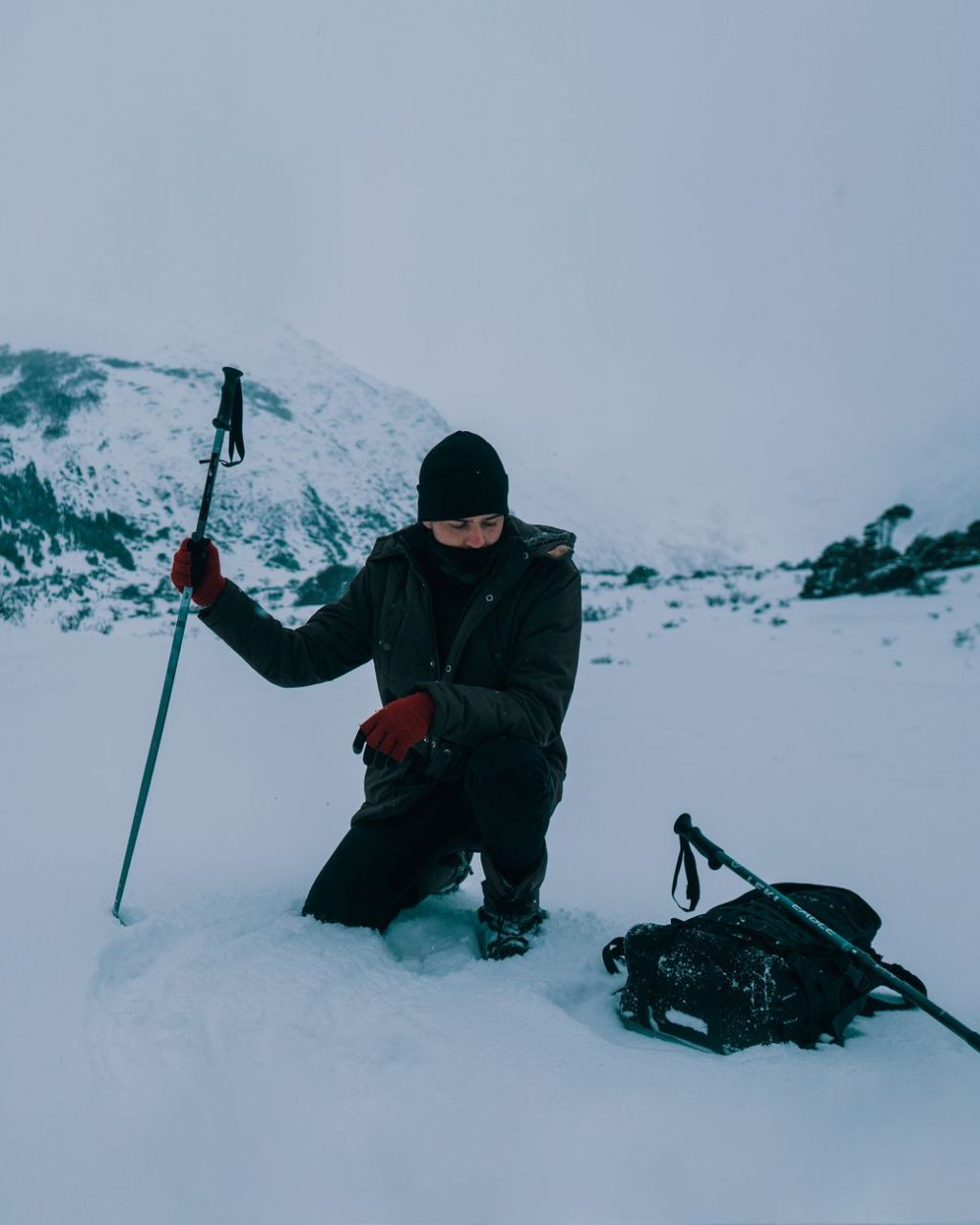
Instead of relying solely on your legs for balance, poles create two additional points of contact with the ground. This extra stability becomes especially valuable when hiking over rocks, roots, mud, or snow.
Less Stress on Your Knees
Descending mountains is often more demanding than climbing them.
Trekking poles help distribute part of your body weight through your arms, reducing the impact placed on your knees during long downhill sections. This can make a noticeable difference, especially on multi-day hikes.
Improved Endurance
Using your upper body while hiking helps spread the workload across more muscle groups.
Rather than forcing your legs to do all the work, trekking poles encourage a more balanced movement pattern, helping many hikers feel less fatigued during longer adventures.
Greater Confidence
Many beginners underestimate how much confidence good trekking poles provide.
Whether crossing a shallow stream, walking across loose gravel, or navigating slippery forest trails, they can make difficult terrain feel much more manageable.
When You Probably Don’t Need Trekking Poles
While trekking poles are incredibly useful, they’re not always necessary.
You can comfortably hike without them if you:
- Mainly walk on paved or well-maintained trails.
- Prefer short hikes under two or three hours.
- Carry only a light daypack.
- Rarely encounter steep climbs or descents.
For casual walkers, poles often stay attached to the backpack more than they’re actually used. If you’re still figuring out your core gear setup, start with getting your footwear right first, that decision matters more than trekking poles ever will.
My Top Picks for 2026
1. Cascade Mountain Tech Carbon Fiber Trekking Poles
Best Overall
Approximate Price: $50-60
If you’re looking for the best balance of weight, durability, and price, it’s difficult to beat the Cascade Mountain Tech Carbon Fiber poles.
Made from lightweight carbon fiber, they absorb vibration better than aluminum while remaining surprisingly affordable.
Why We Like Them
- Lightweight carbon construction
- Comfortable cork grips
- Quick-lock adjustment system
- Excellent value for money
- Highly rated by thousands of hikers
Best For
Weekend hiking, backpacking, and long-distance trails. Pairing a good set of poles with a properly fitted hiking backpack under $100 makes a real difference on longer days.
2. Black Diamond Trail Cork
Best Premium Option
Approximate Price: $130
Black Diamond has built one of the strongest reputations in the outdoor industry, and the Trail Cork poles continue to be a favorite among experienced hikers.
The cork handles become even more comfortable during long hikes and help reduce sweat compared to rubber grips.
Pros
- Exceptional build quality
- Reliable FlickLock adjustment
- Comfortable cork handles
- Built for years of use
Cons
- More expensive than most beginners need
3. Foxelli Carbon Fiber Trekking Poles
Best Value
Approximate Price: $55
Foxelli has become one of Amazon’s most popular trekking pole brands.
These poles offer many premium features—including cork grips, carbon fiber shafts, and adjustable locks—at a price that’s hard to beat.
Ideal For
- First-time buyers
- Weekend hikers
- Travelers looking to save weight
4. TREKOLOGY Trek-Z 2.0
Best Budget Choice
Approximate Price: $40
If you’re just getting started with hiking, the Trek-Z 2.0 offers excellent performance without stretching your budget.
Their folding design also makes them easy to pack inside a suitcase or backpack.
Strengths
- Affordable
- Compact folding design
- Easy to adjust
- Surprisingly sturdy
5. TheFitLife Nordic Trekking Poles
Best for Beginners
Approximate Price: $55
TheFitLife poles continue to be one of Amazon’s best-selling entry-level options.
While they’re heavier than carbon fiber alternatives, they’re durable, dependable, and ideal for occasional hikers.
Carbon Fiber vs Aluminum
One of the biggest decisions you’ll make is choosing between carbon fiber and aluminum.
| Carbon Fiber | Aluminum |
|---|---|
| Lighter | More durable against impacts |
| Better vibration absorption | Usually less expensive |
| More comfortable on long hikes | Better for rocky terrain |
| Can crack under heavy impact | Can bend instead of breaking |
For most recreational hikers, carbon fiber offers the best hiking experience, while aluminum is a great choice if durability is your highest priority.
Buying Guide
Before purchasing trekking poles, consider the following:
Adjustable Length
Adjustable poles allow you to change the height depending on terrain and make sharing them with others much easier.
Grip Material
Cork grips
- Comfortable
- Reduce sweat
- Mold to your hand over time
Foam grips
- Soft
- Lightweight
- Great in cold weather
Rubber grips
- Durable
- Less expensive
- Can become slippery in hot weather
Locking Mechanism
External lever locks are generally easier to adjust and more reliable than twist-lock systems, particularly in wet or cold conditions.
Frequently Asked Questions
Are trekking poles worth it?
For most hikers tackling uneven terrain or longer distances, yes. They improve stability, reduce strain on the knees, and increase confidence on challenging trails.
Can trekking poles reduce knee pain?
Many hikers report less knee discomfort on descents because poles help transfer some of the load from the legs to the upper body.
What is the best material for trekking poles?
Carbon fiber is lighter and absorbs vibration better, while aluminum is tougher and more resistant to impacts. The best choice depends on your hiking style and budget.
Final Verdict
If you’re new to hiking, trekking poles may seem like an optional accessory, but once you start exploring longer trails or carrying a heavier backpack, their benefits become obvious.
For most hikers in 2026, the Cascade Mountain Tech Carbon Fiber Trekking Poles strike the best balance between performance, comfort, and affordability. Those looking for premium quality should consider the Black Diamond Trail Cork, while budget-conscious beginners can’t go wrong with the TREKOLOGY Trek-Z 2.0.
Choosing the right trekking poles won’t just make your hikes more comfortable, but it can also help you hike farther, recover faster, and enjoy the trail with greater confidence. If you’re gearing up for something longer, check out how to pack a backpack for a multi-day trek to make sure the rest of your setup is dialed in too.
 Gear For Trail
Leave a comment