This post contains affiliate links. If you purchase through my links, I may earn a small commission at no extra cost to you. Thank you for supporting Gear For Trail!
If you’ve ever stood in a gear shop staring at a wall of hiking footwear, completely overwhelmed, you’re not alone. Trail runners, hiking shoes, mid-cut boots, high-cut boots, waterproof, non-waterproof, and everyone online has a different opinion.
My quick answer if you’re in a hurry: for most beginners on established trails, the Merrell Moab 3 is the safest pick you can make. It’s comfortable out of the box, durable, and priced fairly at around $165. Check it here.
If you want a lighter budget option or you have wide feet, I cover those picks further down too. But if you want to understand why fit matters more than anything else, and how to actually try shoes on so you don’t end up with blisters by mile four, keep reading. It only takes a few minutes and it’ll save you from an expensive mistake.
| Shoe | Best for | Price range |
|---|---|---|
| Merrell Moab 3 | Best overall beginner shoe | ~$165 |
| Merrell Moab Speed 2 | Lightweight option | ~$175 |
| Nortiv 8 Armadillo FieldLite | Budget pick | ~$60-70 |
| Keen Targhee IV | Wide feet | ~$150 |
Our top recommendations for beginners in 2026
For most beginners starting out on established trails, these are the shoes that consistently deliver:
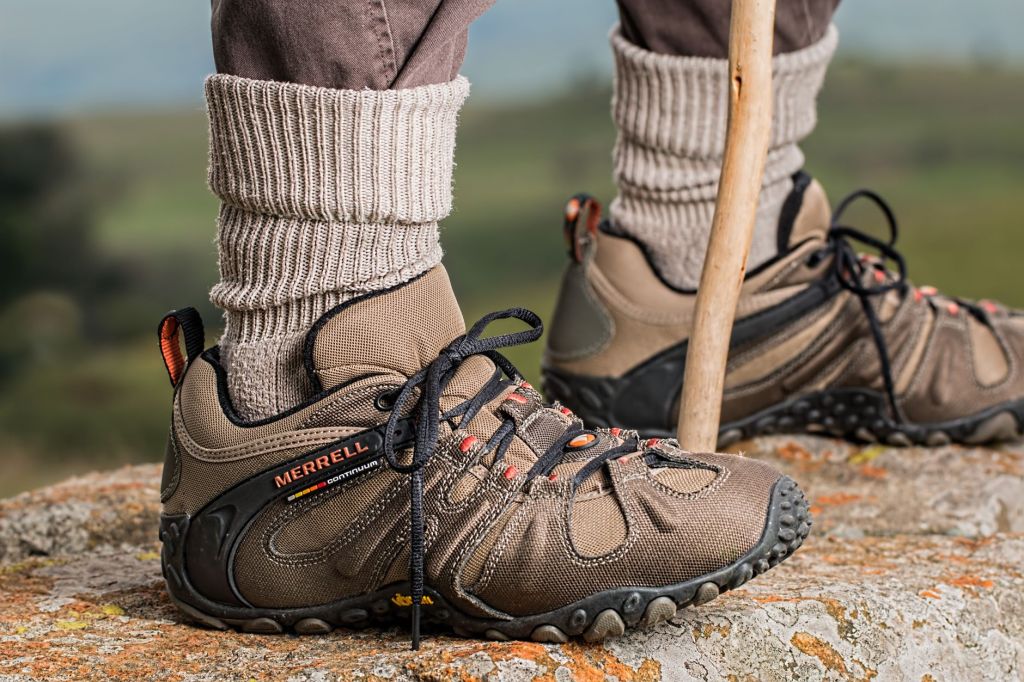
Best overall beginner shoe: Merrell Moab 3 – comfortable straight out of the box, durable, and well-priced at around $165. Available in waterproof and non-waterproof versions. Wide fit that suits most foot shapes.
Best lightweight option: Merrell Moab Speed 2 – if you want something more agile and modern, the Speed 2 is a step up from the classic Moab with a lighter, more responsive build.
Best budget pick: Nortiv 8 Armadillo FieldLite – if you’re not ready to spend $165 and just want to try hiking without a big investment, this shoe delivers solid performance at around $60-70.
Best for wide feet: Keen Targhee IV – Keen’s signature wide toe box makes this the go-to choice for hikers who’ve always struggled to find shoes that fit comfortably.
The most important thing nobody tells you
Fit matters more than brand, price, or features. A beautifully engineered $200 boot that doesn’t fit your foot will destroy your hike. A $90 trail shoe that fits perfectly will carry you happily through hundreds of miles. Everything else in this guide is secondary to that.
What type of footwear do you actually need?
Before looking at specific shoes, you need to understand what’s actually available, because the differences matter.
Trail runners are lightweight, flexible shoes that look like athletic sneakers but are built with better grip and support for off-road use. If your typical hike is under 5 miles on a maintained trail with a light daypack, trail runners are an excellent first choice. They feel immediately familiar, dry quickly, and are comfortable from the first wear.
Hiking shoes sit between trail runners and boots. They have more structure and protection than a trail runner but remain low-cut and relatively lightweight. Good for moderate terrain and day hikes where you want a bit more stability without the weight of a full boot.
Mid-cut hiking boots provide ankle support and protection for uneven terrain, longer distances, and heavier loads. If you’re planning to carry a full pack or tackle rocky trails, the extra support is worth the added weight. Expect a break-in period of a few days before a long hike.
High-cut hiking boots are for serious backcountry use, heavy loads, and technical terrain. As a beginner, you almost certainly don’t need these yet.
Waterproof or not?
This is where beginners often overthink things. Waterproof footwear keeps your feet dry in wet grass, shallow puddles, and cool conditions, but it also traps heat and takes longer to dry once water gets in from above. Non-waterproof shoes breathe better and dry faster.
For most beginner hikers on established trails in mild conditions, non-waterproof is the better choice. If you regularly hike in wet climates or cold weather, a Gore-Tex option is worth considering.
How to get the right fit
Try shoes on in the afternoon when your feet are at their largest. Wear the exact socks you plan to hike in, ideally wool or synthetic, never cotton. Walk around for at least 10 minutes before deciding.
There should be about a thumb’s width of space between your longest toe and the front of the shoe. This prevents your toes from jamming forward on descents, which is a leading cause of blisters and black toenails. Your heel should feel locked in place with no slipping.
The most common beginner mistake is buying shoes that are too small. Feet swell during long hikes, and what fits in a cool store may feel painfully tight by mile four on a hot day. If you’re also gearing up for your first longer hike, it’s worth checking your backpack fits properly too, since a well-fitted pack matters just as much as well-fitted shoes.
A few things to avoid
Don’t buy hiking boots that are too heavy for the terrain you’ll actually be on. Most beginners over-purchase, they buy burly mountaineering-style boots for local forest trails they’ll never need that much shoe for. The same logic applies to trekking poles, you don’t need every piece of gear on day one.
Don’t skip the break-in period for boots. Even a well-fitting boot needs a few shorter hikes before you take it on a long day out.
And don’t buy based on looks. That colour-coordinated pair might look great but if it doesn’t fit your foot, you’ll regret it by mile two.
The bottom line
For most beginners, a hiking shoe or trail runner is all you need to start. Focus on fit first, then consider the terrain you’ll be hiking. You don’t need to spend a fortune to get started, but investing in footwear that fits properly will make every hike more enjoyable from day one.
Once you know what type of hiking you enjoy, you can always upgrade later. The best hiking shoe is the one that fits your foot and your trails, not the most expensive one on the shelf. And if you end up loving the trails enough to pick up the pace, here’s how to start trail running once you’re ready.
What type of terrain are you planning to hike first? Drop a comment below – I’m happy to give a more specific recommendation. 👇
 Gear For Trail
Leave a comment