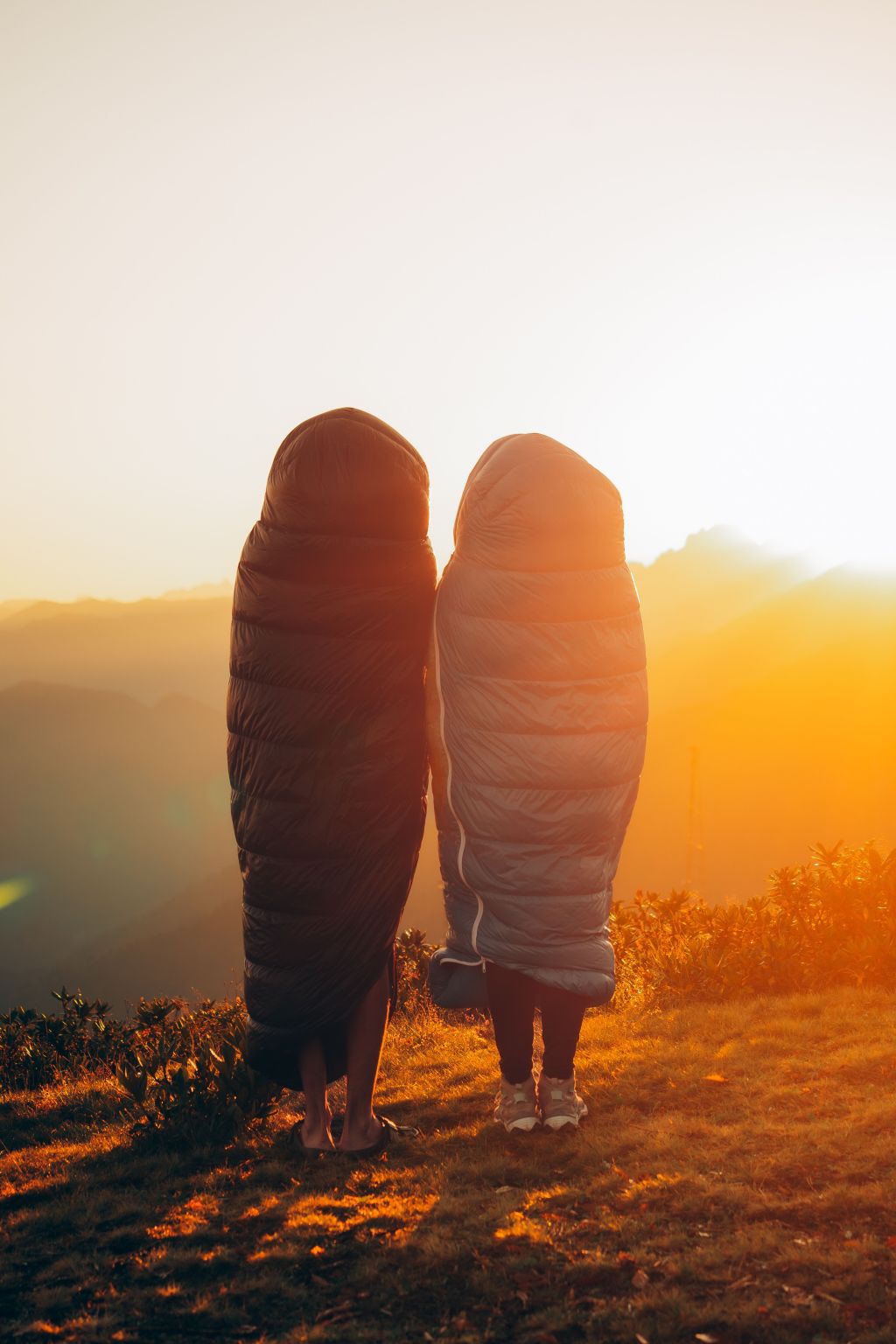
A good tent means nothing if you’re shivering inside it at 3am. I learned this the hard way early on, showed up with a sleeping bag rated for temperatures way warmer than what actually hit overnight, and spent a miserable night wearing every layer I’d packed. The sleeping bag is where beginners most often underestimate what they actually need.
My quick answer if you’re in a hurry: the Coleman Brazos is the bag I’d point most beginner campers to. It’s inexpensive, surprisingly warm for the price, and a safe way to start without overspending on your first trip. Check it here.
If you run cold, need something roomier, or you’re backpacking rather than car camping, I cover two more solid picks below.
Quick comparison
| Sleeping bag | Best for | Temperature rating | Price range |
|---|---|---|---|
| Coleman Brazos | Best budget overall | 20°F | ~$55 |
| TETON Sports Celsius XXL | Cold weather, roomy | 0°F | ~$100 |
| Naturehike Lightweight | Backpacking | 3-season | ~$50-60 |
What actually matters in a sleeping bag
The temperature rating is the single most important spec, and beginners consistently underestimate this. Rate your bag for at least 10°F below the coldest temperature you expect, because nights outdoors run colder than most people plan for, and manufacturer ratings tend to be optimistic rather than conservative.
Shape matters too. Rectangular bags are roomier and more comfortable if you toss and turn, mummy-style bags trap heat more efficiently but feel more confining. For car camping, roomy is usually worth the extra bulk. For backpacking, every ounce and every inch of packed size matters more.
My top pick: Coleman Brazos
This has been a trusted budget option for years, and it earns that reputation. It won’t compete with premium bags on comfort or packability, it’s on the bulkier, less refined side, but for occasional car camping or as a first bag before you know how often you’ll actually use one, it delivers real warmth for very little money. Pair it with a proper sleeping pad, the ground steals more heat than people expect, and a sleeping bag alone won’t fix that.
Best for cold weather: TETON Sports Celsius XXL
If you run cold or you’re camping into shoulder season, this bag rates down to 0°F and includes a hood that seals in warmth around your head, something the Brazos lacks. It’s roomier too, which matters if you’re over six feet tall or just don’t like feeling boxed in. It’s bulkier to pack, so this one’s better suited to car camping than a long backpacking trip.
Best for backpacking: Naturehike Lightweight Sleeping Bag
If you’re carrying this in a hiking backpack rather than driving it to a campsite, weight and packed size take priority over roominess. Naturehike has built a solid reputation for lightweight camping gear at a reasonable price, and this bag compresses down small enough to not eat up your pack space.
A few things to avoid
Don’t trust the temperature rating at face value without reading reviews. Manufacturers sometimes list a “survival” rating rather than a “comfort” rating, meaning you’ll survive at that temperature, not sleep well. As a rule of thumb, expect the comfortable limit to be 10-20°F higher than the number on the label.
Don’t skip a sleeping pad thinking your bag alone will keep you warm. Insulation from the ground matters just as much as insulation around you, cold air rises from beneath you all night regardless of how good your bag is.
And don’t buy the biggest, warmest bag available if you only camp in summer. An overly warm bag in mild weather just means an uncomfortable, sweaty night.
The bottom line
For most beginner campers, the Coleman Brazos covers three-season camping without breaking the bank. If you run cold or want more room, the TETON Celsius XXL is worth the extra cost, and if you’re backpacking, the Naturehike option keeps your pack light without sacrificing much warmth.
What’s the coldest night you’ve spent in a sleeping bag, and did it hold up? Drop a comment below, I’m curious what you’ve learned the hard way too. 👇
 Gear For Trail
Leave a comment