This post contains affiliate links. If you purchase through my links, I may earn a small commission at no extra cost to you. Thank you for supporting Gear For Trail!
Trail running is one of the fastest-growing outdoor sports right now and for good reason. There’s nothing quite like leaving the pavement behind and finding your rhythm on a dirt trail. But if you’ve started looking at trail running shoes, you’ve probably noticed that the prices can get painful fast.
Good news: you don’t need to spend $250 to get a genuinely great shoe. Here are the trail running shoes that deliver the most performance for your money in 2026.
1. Saucony Peregrine 16 – Best Overall Value (~$140)
The Peregrine has been a trail running staple for years, and the 16th version is the best one yet. It’s grippy, lightweight, and versatile enough to handle everything from hardpack fire roads to rocky singletrack. The knobby lug pattern provides reliable traction across different surfaces, and the mesh upper breathes well and dries quickly. If you want one shoe that does everything well without asking too much of your wallet, this is it.
Best for: all-around trail running, beginners to intermediate runners, mixed terrain
2. HOKA Speedgoat 7 – Best for Cushioning (~$155)
If your joints need a bit of extra love, the Speedgoat 7 is hard to beat. HOKA’s thick midsole absorbs impact better than almost anything else on the market, making it an excellent choice for longer runs or runners returning from injury. It’s consistently rated as one of the top trail running shoes of 2026 across multiple independent testers. Lightweight for its level of cushioning, and versatile enough for both hiking and running.
Best for: high-mileage runners, sensitive joints, long distance
3. Brooks Cascadia 19 – Best Budget Workhorse (~$130)
The Cascadia has quietly been one of trail running’s most reliable shoes for years. The 19th version adds a rock plate for extra underfoot protection and improves on an already solid cushioned ride. Testers from REI named it a top pick for 2026, praising its ability to handle a wide variety of paces and terrain. For the price, it’s exceptional value.
Best for: everyday training, mixed terrain, value-focused runners
4. Altra Lone Peak 9 – Best for Wide Feet (~$145)
Altra’s signature wide toe box makes the Lone Peak a completely different experience from most trail shoes. Your toes can actually spread naturally, which reduces blisters and improves stability on uneven ground. The zero-drop design takes some getting used to, but runners who stick with it often never go back. The updated MaxTrac outsole grips well across varied terrain.
Best for: wide feet, natural running feel, zero-drop enthusiasts
5. New Balance Fresh Foam X Hierro v9 – Best Cushioned Daily Trainer (~$135)
REI named this the 2026 Editors’ Choice Award winner for trail running shoes after four to eight weeks of field testing. With a 42mm heel stack and a Trail Adapt System rock plate built into the foam, it manages to feel both protective and plush at the same time. A great option if you want maximum comfort for daily training runs on established trails.
Best for: daily training, comfort-focused runners, moderate trails
6. HOKA Torrent 4 – Best Entry-Level Pick (~$110)
If you’re new to trail running and don’t want to commit to a $140+ shoe yet, the Torrent 4 is a well-rounded option at a friendlier price. Multiple testers ranked it as the best value trail shoe of 2026 for its combination of comfort, grip, and durability. It won’t last as long as a Peregrine or Cascadia under heavy use, but for a beginner building up trail miles, it’s more than enough.
Best for: beginners, light trail use, budget-conscious runners
How to Choose the Right Trail Running Shoe
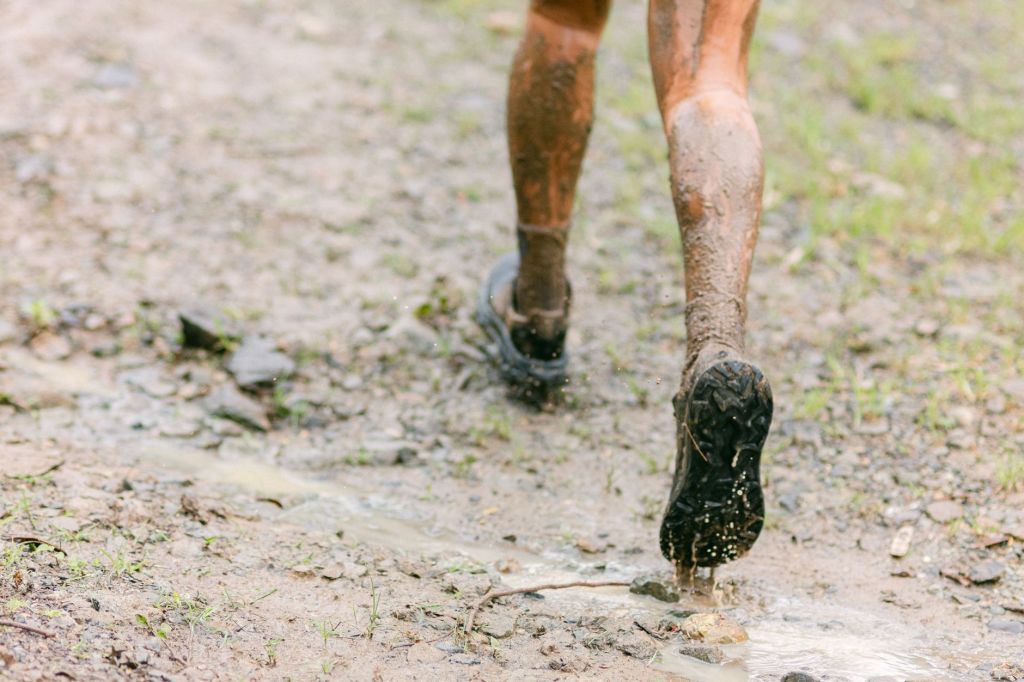
The most important thing is matching the shoe to the terrain you actually run on. For soft, muddy trails you need aggressive lugs. For hard, dry trails you can get away with shallower lugs and more cushion. If you’re mixing road and trail, look for something versatile like the Peregrine or Cascadia.
One practical tip: trail running shoes should fit slightly snugger than road shoes. Your foot moves less predictably on uneven terrain, and a little extra hold prevents blisters on technical descents.
What trail running shoes are you currently using, and what terrain do you mostly run on? Drop it in the comments. I’m always curious what people are running in. 👇
 Gear For Trail
Leave a comment